


Aesthetic clinics should add a hyperpigmentation device to their service offerings to treat pigment at a deeper level. These devices support long-term skin health and increase the number of skin concerns you can address.
Besides explaining the benefits of hyperpigmentation treatments, we will also talk about Derma T|R, one of the best modern solutions for this particular skin issue.
Why Hyperpigmentation Treatments Are in Demand?
Pigmentation affects all skin types, ages, and genders, and often worsens with skin ageing, which is why people should address it as soon as possible. Many clients have struggled with pigmentation for years, using only skincare products such as vitamin C, azelaic acid, or brightening serums.
Prescription treatments for hyperpigmentation may include topical gels or creams that are easy to use. Unfortunately, they rarely reach deeper layers where excess melanin forms. This is exactly why specialized devices have become so popular, as they affect skin cells at a basic level. With devices such as Derma T|R, clients can:
- Faster results
- More consistent tone
- Visible improvement in a few weeks
- Minimal downtime
- Solutions for darker skin tones
Adjustable settings in devices enhance treatment safety and outcomes by allowing customization for specific skin sensitivities.
What Is a Derma T|R Hyperpigmentation Device?
Derma T|R is a Q-Switched laser system engineered for effective pigmentation treatment. It can be used for stubborn pigment spots and other pigment or vascular concerns that standard aesthetics often struggle to address.
The device uses dual wavelengths at 1064 nm and 532 nm, allowing clinicians to target pigment at different depths in the skin. These extremely short, high-intensity pulses break pigment clusters and ink particles into smaller fragments that the body can clear naturally over time, while minimising heat damage to surrounding tissue.
Derma T|R’s high-power pulses make it effective for deep-set pigmentation and challenging tattoo removal alike, offering reliable performance and visible results with minimal downtime. Although this beauty technology is ideal for clinics, it is also suitable for at-home use.
How Derma T|R Supports Pigmentation Control?
Derma T|R delivers focused, high-intensity pulses that break down excess melanin directly within the epidermis and dermis. The device uses precision laser technology specifically designed to address stubborn pigmentation that topical products and generic light-based devices often struggle to improve.
The dual-wavelength design lets clinicians tailor treatments to different concerns. The 532 nm wavelength targets more superficial levels to manage pigmentation near the skin's surface, while the 1064 nm wavelength penetrates deeper to treat pigmentation in lower layers of tissue. This flexibility makes Derma T|R highly effective across a range of skin types, including more stubborn pigment in darker skin tones.
Unlike generic LED light therapy or low-level laser systems that aim to stimulate skin renewal or encourage collagen and elastin production, Derma T|R’s technology actively disrupts targeted pigment without causing undue heat to surrounding tissue. Most importantly, our device reduces inflammation and the risk of rebound pigmentation.
Clinical Benefits of Adding a Pigmentation Device
Professional pigmentation devices treat discolouration at a much deeper and more precise level than topical skincare alone. While creams, serums, and peels can help regulate surface-level melanin activity, device-based technologies allow clinicians to directly target pigment clusters within the skin. This results in more consistent, measurable, and long-lasting outcomes.
One of the most important clinical advantages is predictability. Advanced systems allow practitioners to control depth, intensity, and treatment zones with precision, reducing variability between clients and improving overall treatment reliability.
Key clinical benefits include:
- More Predictable Outcomes: Precision energy delivery allows for controlled pigment targeting, which improves consistency across different skin types and pigment depths.
- Faster Visible Changes: Many clients notice brighter skin, reduced dark spots, and more even tone within a few sessions, rather than waiting months for topical results.
- Improved Safety for Darker Skin Tones: Devices designed for controlled, targeted energy help minimise unnecessary heat spread, reducing the risk of rebound pigmentation.
- Reduced Risk of Post-Inflammatory Hyperpigmentation: By addressing pigment directly instead of traumatising surrounding tissue, these devices limit inflammation that often triggers secondary pigmentation.
- Support for smoother skin and a More Radiant Appearance: Beyond pigment correction, many devices improve overall skin clarity, texture, and luminosity, giving skin a healthier, more refined look.
- Better Results for Complex Concerns: These include sun damage, broken capillaries, dullness, and chronically dry or uneven skin, issues that often coexist with pigmentation problems.
From a client comfort perspective, most people describe only a mild tingling or warming sensation during treatment. Discomfort remains minimal, and downtime is typically limited or nonexistent, making these treatments easy to integrate into everyday routines.
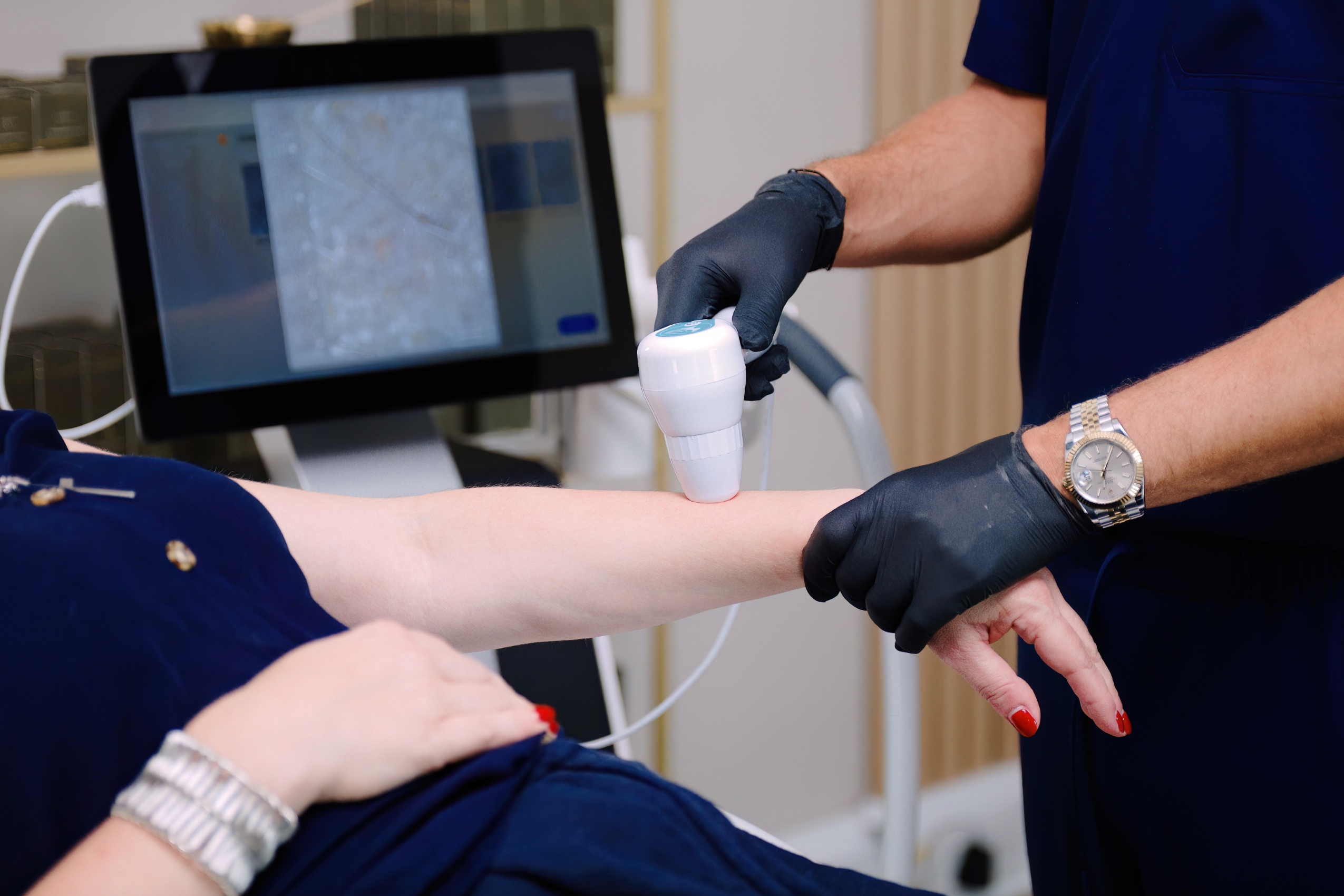
Business Benefits for Clinics
Pigmentation is one of the most common and persistent skin concerns, which makes it a reliable entry point for new clients and a strong driver of long-term treatment plans. So, adding a hyperpigmentation device is not just a clinical upgrade, but a strategic business move.
Unlike one-off aesthetic procedures, pigmentation correction typically requires a course of treatments, followed by maintenance sessions. This creates a natural pathway for continuity of care and more predictable revenue over time.
Key business advantages include:
- Increase Average Treatment Value: Device-based pigmentation treatments command higher price points than topical-only solutions. When combined with skincare, maintenance programmes, and follow-up sessions, they significantly increase each client's lifetime value.
- Build Structured Treatment Plans: Pigmentation rarely resolves in a single session. This allows you to create multi-session packages, progress tracking, and long-term skin management plans that feel purposeful and medically sound.
- Improve Retention: Clients who commit to a pigmentation journey tend to return regularly for follow-ups, reassessments, and maintenance. This strengthens loyalty and reduces churn.
- Attract New Demographics: Many people actively search for pigmentation solutions but avoid invasive procedures. A non-invasive, technology-led option appeals to a broader audience, including younger clients, men, and those new to aesthetic treatments.
- Differentiate Your Clinic: Offering advanced device-based pigmentation correction positions your clinic as results-driven and technologically progressive. This helps you stand out in a crowded market dominated by injectables and generic facials.
Because pigmentation responds gradually, it encourages ongoing engagement rather than quick, one-off visits. This continuity supports stable monthly revenue, better financial forecasting, and stronger long-term client relationships.
Contact Derma Group UK to learn more about how you can benefit from our devices.
What to Consider Before Investing?
The right technology should align with your target demographics, your team’s capabilities, and your long-term business strategy. The right device can become a core revenue driver, while the wrong one can remain underused.
Skin Type Compatibility
Not all pigmentation technologies work equally well across all skin tones. Some systems perform best on lighter skin, while others safely treat darker skin tones when used with the correct protocols. This matters because incorrect energy delivery can trigger rebound pigmentation or post-inflammatory hyperpigmentation. You should evaluate:
- Whether the device suits your most common skin types
- How it handles deeper melanin concentrations
- What safety data exists for higher Fitzpatrick skin types
Choosing technology that supports a wide range of skin tones makes your service more inclusive and clinically responsible.
Downtime
Modern clients expect results without disruption. Long recovery periods reduce uptake and make scheduling difficult. When assessing a device, ask:
- Will a person experience redness, crusting, or peeling?
- Can they return to work the same day?
- Will treatment interfere with social or professional commitments?
Non-invasive treatments with minimal or no downtime consistently outperform more aggressive options in terms of client satisfaction and repeat bookings.
Staff Training
Advanced devices require more than basic operational knowledge. Your team must understand:
- How the technology works
- How to assess pigmentation types
- How to adjust settings safely
- How to manage complications
Without consistent protocols and proper training, outcomes become unpredictable. This affects both safety and reputation. Look for systems that come with structured training, certification, and ongoing clinical support.
Maintenance Costs
The purchase price is only part of the investment. You must factor in long-term operational expenses, including:
- Annual servicing
- Replacement parts
- Consumables
- Software updates
- Warranty and support plans
Understanding these costs upfront helps you calculate true return on investment and avoid surprises.
Positioning Within Your Treatment Menu
Pigmentation devices should complement your existing skincare and facial services. The most successful clinics use devices as part of a layered approach. This might include:
- Device treatment to break down pigment
- Topical skincare to regulate melanin production
- SPF education to prevent recurrence
- Maintenance sessions to sustain results
When positioned correctly, the device strengthens your entire treatment offering rather than competing with it.

Derma T|R: The Right Device for Your Clinic
Derma T|R offers a powerful, precision-led solution for clinics looking to expand their pigmentation services with confidence. Designed to target stubborn pigment safely and effectively, it allows practitioners to treat a wide range of skin tones while maintaining control, consistency, and client comfort.
With its dual-wavelength technology and advanced safety protocols, Derma T|R supports predictable results, minimal downtime, and strong client satisfaction. It integrates seamlessly into existing treatment menus, complementing skincare and facial services rather than replacing them.
Visit our shop to buy Derma T|R and check out our other devices.
FAQs
What types of skin concerns can Derma T|R treat?
Derma T|R addresses a wide range of skin concerns, including hyperpigmentation, uneven skin tone, dark spots, sun spots, age spots, brown spots, post-inflammatory hyperpigmentation, acne scarring, and pigmentation linked to sun exposure. It also supports overall skin rejuvenation by stimulating collagen and elastin production, improving skin texture, and promoting smoother skin.
How does Derma T|R differ from LED light therapy or LED masks?
LED masks and at-home devices use light-emitting diode technology to support skin repair, wound healing, and general skin renewal. Derma T|R, however, is a professional-grade system that delivers high-intensity, targeted energy to break down excess melanin directly. This makes it far more effective for true pigmentation removal and deeper pigment correction than low-level light therapy devices.
Is Derma T|R suitable for darker skin tones?
Yes, when used according to the correct protocols, Derma T|R can safely treat darker skin tones. Precision energy delivery reduces the risk of post-inflammatory hyperpigmentation and rebound pigment. This makes it a safer option for clients with higher melanin production.
Can this device treat acne-related pigmentation?
Yes. Derma T|R can help reduce pigmentation caused by acne. While blue light therapy is often used to treat active acne, Derma T|R focuses on clearing residual dark marks and uneven tone that remain after breakouts heal.
Does Derma T|R improve skin quality beyond pigmentation?
Yes. In addition to pigmentation treatment, Derma T|R supports skin rejuvenation, skin repair, and skin renewal. By stimulating collagen and elastin, it helps reduce visible signs of skin ageing such as fine lines, dullness, and rough texture.
Is this a non-invasive treatment?
Yes. Derma T|R is a non-invasive treatment that does not involve needles, incisions, or surgery. Most patients experience only a mild tingling sensation during treatment and can return to daily activities immediately.
How many sessions do patients usually need?
Most patients need a course of treatments over a few weeks. The exact number depends on pigment depth, skin type, and individual response. A structured treatment plan ensures predictable, long-lasting results.
Can Derma T|R replace topical skincare?
No. It works best when combined with topical skincare such as vitamin C, azelaic acid, SPF, and barrier-repair products. This layered approach helps regulate melanin production, prevent recurrence, and protect results.
.png)

.png)